

Do you pack a lot when you travel? Or do you attempt to pack lightly?
Packing light gives you more freedom when traveling. With less to haul about, you can easily navigate busy areas, breeze through baggage claim, make last-minute arrangements without worrying about what to do with your belongings, and spend less time searching down items. Going light makes even more sense given that many airlines impose fees for bags or luggage that exceed specific size or weight limits.
Packing light for adventure travel may appear challenging at first, but like any new ability, you will learn and improve the more you do it. This essay teaches you how to pack light and wisely.
Consider the 1-2-3-4-5-6 rule.
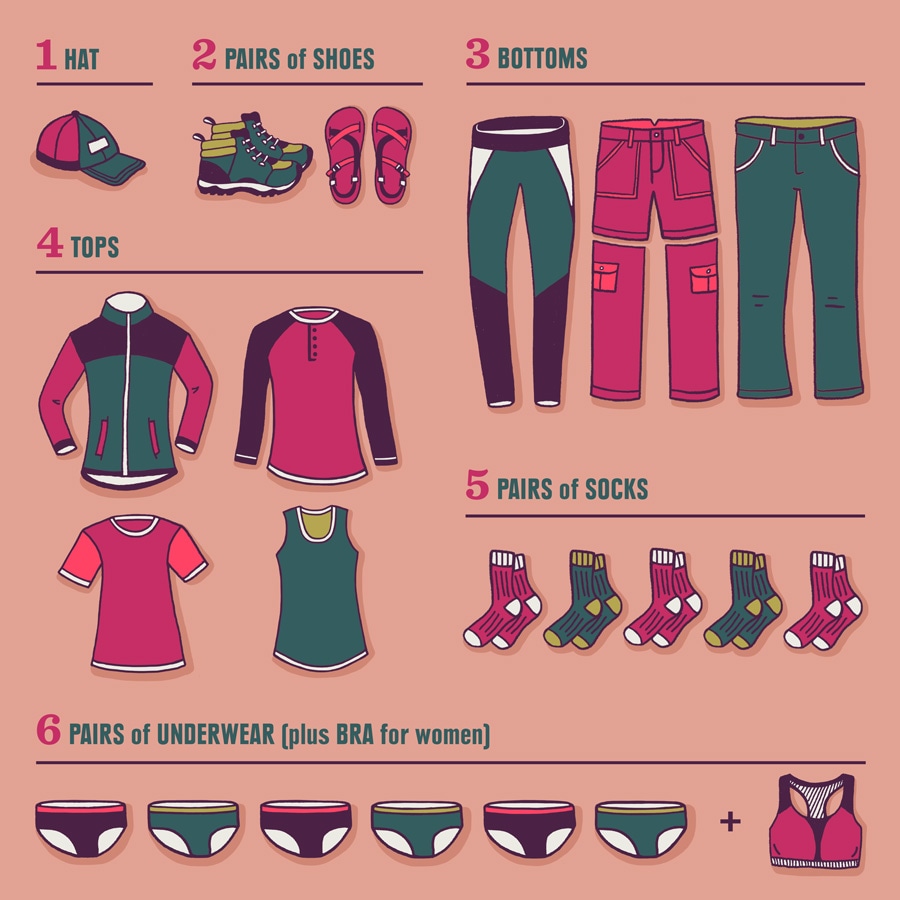
One basic rule is to bring one cap, two pairs of shoes, three bottoms, four tops (short or long-sleeved or outer layer), five pairs of socks, and six pieces of underwear. This should be enough to last you two weeks. Customize your pack list to include a swimsuit, rainwear, and other trip-related goods. You may not need everything (carry even less if possible), but this should get you through six days before you need to do laundry. Regardless of how lengthy your vacation is, aim to pack no more than seven days' worth of clothing. Get used to wearing clothes more than once (no one will notice or care). Also, prepare to do laundry on plan on doing laundry. el Clothing
Create a packing list.
It sounds basic, but compile a packing list of what you need and desire. Then divide that wishlist in half. If you aren't certain you'll need anything, don't take it. (You can usually purchase, rent, or find most goods at your destination.). Before you go, lay out all of your intended clothing and supplies and give each item great consideration.
Make Sure Every Item Does Double Duty.
Choose your outfits wisely. When given two options, pack the item that serves more than one purpose while weighing less or taking up less room. Here are some instances.
Ponchos can be used instead of rain jackets, umbrellas, or bag rain covers.
Sarongs can be used as towels, picnic blankets, or skirts.
Convertible pants are not glamorous, and people either adore or dislike them. However, they're useful, tough, and quick-drying: Zip off the lower portion for a scorching trek, then switch to longer pants for supper or a visit to the temple. If zip-offs aren't your thing, consider roll-up trousers with button tabs above the ankle or near the knee.
Instead of long and short sleeves, try a shirt with roll-up sleeves.
Use a bandana or buff.
Neckwear may keep your neck warm, shield your head or neck from the sun, or be used as a sleep or pollution mask.Bring shorts that you can hike, swim, and wander around town in.
Running shorts and a sports bra can be used as swimwear.
Layer your clothes.
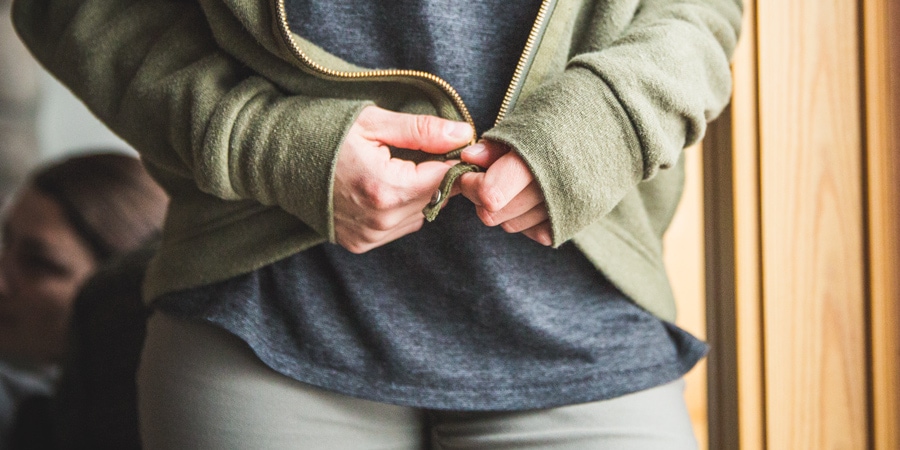
Pack adaptable layers that you may wear or take off when the weather and temperature change. When layering garments for your next adventure trip, imagine yourself as a hiker or backpacker. Instead of packing a single bulky sweater, combine a short-sleeve shirt and a long-sleeve top. In colder areas, include a lightweight, packable jacket. This expands your clothing possibilities without adding too much weight or bulk. Before your travel, ensure that your outer layer fits comfortably over your inner layer(s) without bunching. Read our post about layering fundamentals.
Choose lightweight, quick-drying fabrics.
Choose performance materials that breathe well, keep moisture away from your skin, wrinkle less, and dry quickly. You probably already have a few pieces in your closet. If you do spend, choose merino wool clothing, which does not retain odor after numerous usages, breathes well, and is lightweight. If you're on a tight budget, start with quality goods like quick-drying socks or underwear and gradually build up your travel wardrobe. Synthetic materials also pack easily and dry rapidly. Consider a lightweight synthetic or down insulated jacket that packs compactly but gives a lot of warmth for its weight. Read more about how to pick travel clothes.
Choose Neutral Colors
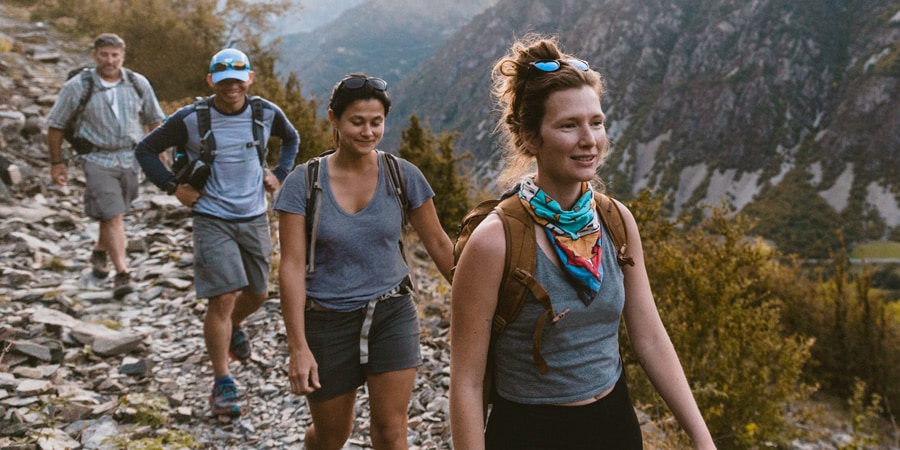
Keep your color palette basic so you can simply mix and match shirts and bottoms for a variety of outfits. When going out to dinner, black and darker hues seem cleaner for longer than bright colors and are considered more elegant. Use a bandana or Buff neckwear to add a pop of color.
Plan on Doing Laundry
Unless you have the luxury of hotel laundry or dropping your clothing off at the cleaners, washing laundry is an essential aspect of traveling light. The good news is that it requires little effort.
Try washing your clothing in the sink to observe how long it takes to dry.
Pack a little bar of biodegradable soap, which may be used for all of your cleaning requirements.
Items may be washed while you are in the shower.
Wet clothes can expand and become disfigured after being wrung out. Before hanging your items to dry, place them flat on top of a towel and roll them up. To speed up the drying process, wring off any extra water.
Bring multipurpose footwear.
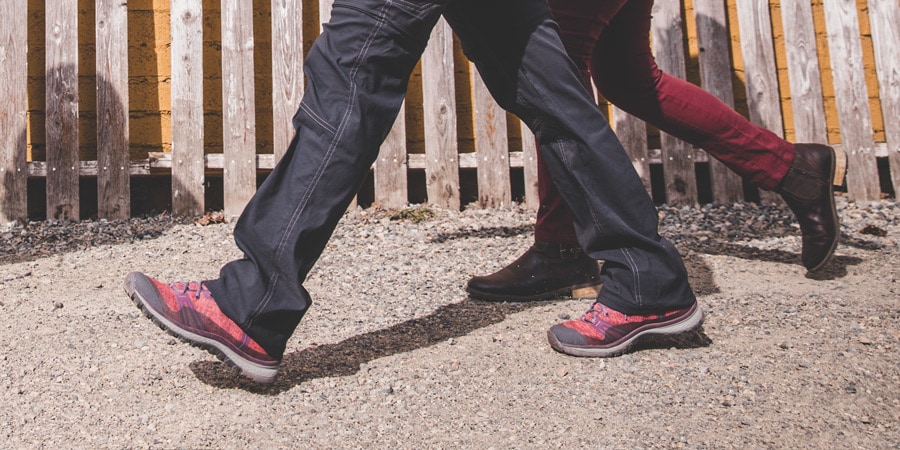
Most travelers can get by with two pairs of shoes, depending on the type of trip they take. Wear the heavier pair on flights or on travel days.
Consider multiuse (e.g., running shoes may be used for running, walking, and hiking).
Consider light trail-running shoes over bulkier hiking boots since they are versatile and suitable for hiking, running, and strolling.
To assist in preventing blisters, make sure your shoes are comfy and well-worn.
When shopping for shoes, measure your feet to ensure a proper fit. Because your feet tend to expand, especially in hotter regions, consider purchasing a boot or shoe one or one-half sizes larger.
Leave most toiletries at home.
If you can get toiletries at your destination, leave them at home. When you reserve your hotel, guesthouse, or apartment, inquire whether they provide shampoo, lotion, or razors. If it isn't something you use every day (toothpaste, toothbrush, or contact solution), consider leaving it out.
Bring sample-sized products, including toothpaste, as the TSA does not allow items greater than 3.4 oz. in carry-on baggage.
Consider alternatives to liquids.
Purchase toiletries upon arrival and test what the locals use.
Just because you can bring 3.4 ounces of liquids does not imply you need that much sunscreen or lotion. Consider shifting toiletries to smaller travel tubes, pill boxes, or storage bottles.
Consider goods with more than one use.
Ditch Your Laptop
If you do not need your laptop, do not bring it. Most cellphones now perform everything a PC does while taking up far less space. A tablet or e-reader loaded with music, books, and maps can reduce weight and space. Here are some additional recommendations for your electronics:
Bring a tiny media storage device to transmit, save, and back up your images. When you're connected to the internet, you may also upload your images to a cloud server.
Pack a compact, portable battery pack to charge on the move.
Bring an electrical adapter with many USB ports. This will come in useful when you're attempting to plug in and charge in a public area like a café, hostel, or anywhere with few outlets. Learn more in our post, How to Choose Travel Power Adapters.
Shop converters and adapters.
Choose the Right Luggage
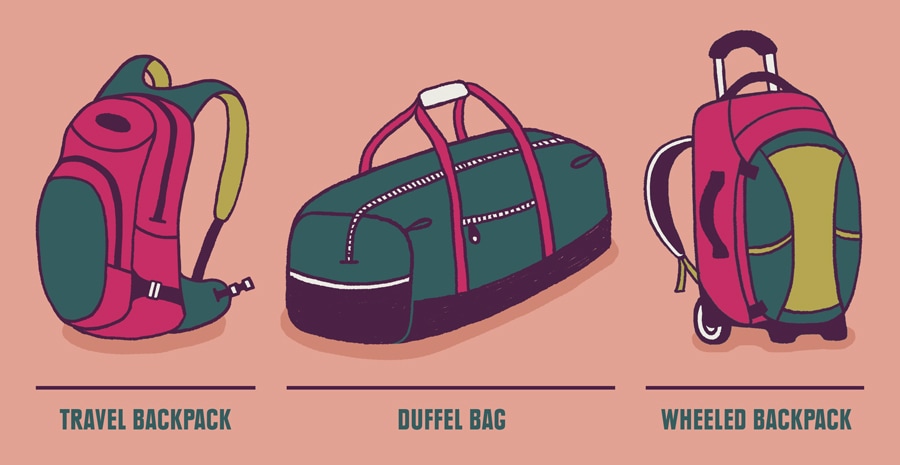
Think tiny and light. If feasible, travel with only one carry-on bag. That may not always be realistic, so try starting small and working your way up. Avoid using a bag that is larger than necessary, since you will be tempted to fill it. The appropriate baggage will be determined by the sort of vacation and activities planned.
If you're traveling to several locations or spending a lot of time on trains, buses, and between hostels or hotels, a travel pack with shoulder straps is your best option for mobility and adaptability. Many travel backpacks offer convenient pockets and functions, but a standard bag will suffice.
If you're going on a safari or biking tour and a guide organization will transport your belongings, duffel bags are a fantastic choice because they're both robust and inexpensive.
Families with young children or travelers who will not be moving around much might pick wheeled backpacks for their versatility and ease.
Need assistance selecting luggage? Read our post on How to Select Luggage, Packs, and Bags.
Shop Travel Packs.
Use packing organizers.
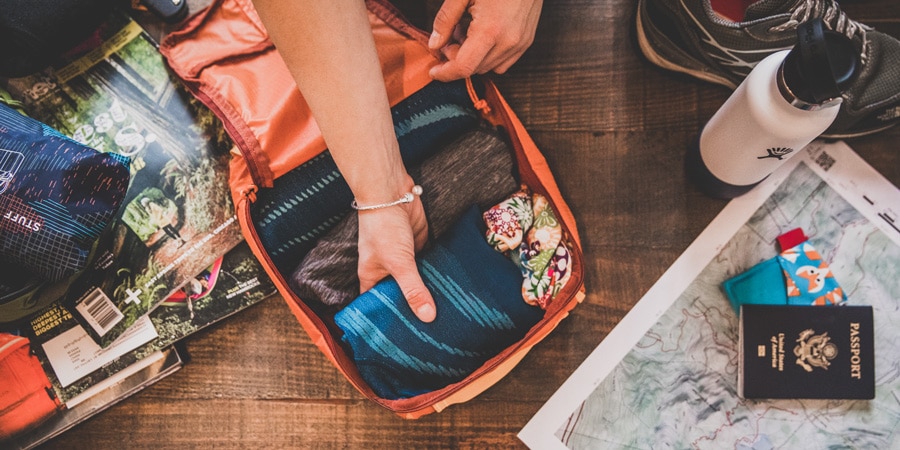
Roll your garments and use packing cubes, fill sacks, compression bags, or inexpensive zip-top bags to save space and arrange your belongings. Packing organizers let you discover what you need fast without having to go through your entire luggage. Compression bags compress items by eliminating excess air, but be careful not to overpack. If you're carrying a travel backpack, stuff sacks may be a better match than rectangular packing cubes.
Weigh your bag.
Before you go, pack your suitcase and practice carrying and lifting it up and down. Too heavy? It's simpler to leave stuff at home. Some airlines have size and weight restrictions; check with each airline for their individual regulations and restrictions. For adventurous travel when you'll be hiking for days, aim for around 10% of your body weight. (If you weigh 150 pounds, use a 15-pound bag or fewer.). Also, read TSA regulations for a comprehensive list of items you may and cannot carry.
Prepare for lost bags.
Luggage might be delayed or misplaced. Keep these items in your carry-on bag: passport, money, eyeglasses, and medicine. Whether you check your bags or bring a carry-on, pack enough clothes for a day or two in case the airline loses your luggage. Wear or carry the heaviest, bulkiest, or most difficult-to-replace equipment, such as hiking boots.
Decide whether to rent or ship your gear.
The sorts of things you pack will be heavily influenced by your excursion, what you'll be doing, and the environment in your destination. Decide what gear is most essential to you and how critical it is to your adventure travel. If you're going to be pedaling for several days, shipping your bike may be a good idea because you're used to the fit and feel. (For additional information, see our article on How to Ship a Bike.). If you just need equipment for one or two days on your vacation, consider renting it. Consider the expenses of renting vs. bringing your own gear; it may be less expensive to bring your own. If you plan a trip through a travel company, they may give particular gear checklists outlining what you'll need to carry and what will be provided.
Personalize our adventure travel checklist for your trip.
Carry on if you can.
Having a carry-on bag means that your luggage is always with you and does not get lost. Airline customers are typically permitted to bring one personal item and one carry-on bag for free. There is no government standard for carry-on bag size, so always verify your airline's current carry-on policies. It must be able to fit in the overhead compartment or beneath the seat.
The Transportation Security Administration (TSA) regulates the contents of carry-on luggage. Some personal belongings, sporting products, and tools must be examined before being taken. A comprehensive list of authorized and forbidden items may be found on the TSA's website.
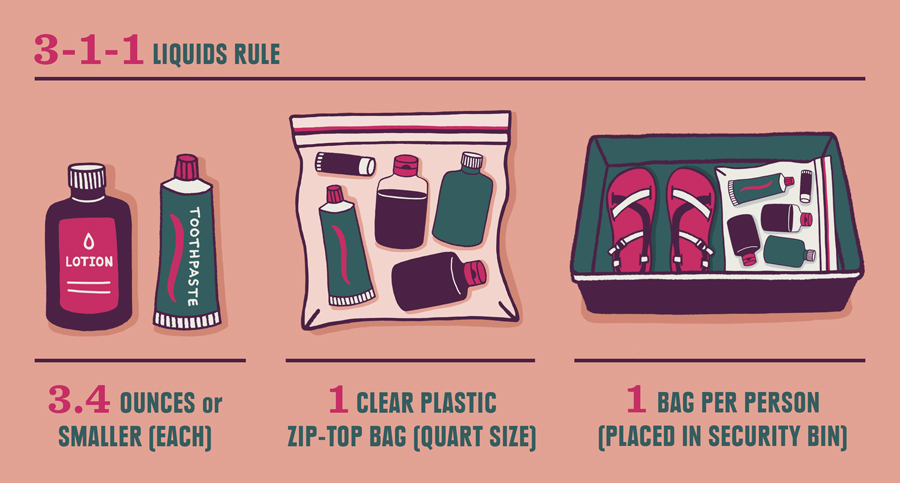
The TSA defines the "3-1-1" liquids rule for a traveler's carry-on luggage as:
3.4-ounce or smaller containers containing liquids and gels.
1-quart transparent plastic zip-top bag (all liquids must fit inside)
One zip-top bag per traveler.
There are occasional exceptions for necessary liquids, such as infant formula and medication.
Check Your Bag If You Have To.
You'll have fewer security issues if you check your bag. Some objects cannot be transported and must be inspected. If you bring an ice axe, ski poles, or Swiss Army knife—all of which may be deemed weapons—your bag will be examined.
Even if you are checking your bag, traveling light benefits you. Why? A light luggage avoids the possibility of receiving an overweight baggage tax. Furthermore, after you are at your location, you must continue to transport it. A lightweight bag provides increased comfort and freedom.
Follow these general travel tips, too.
Leave jewelry and valuables at home, and never put anything delicate in checked luggage.
Keep your credit card, cash, medication, keys, and passport close to hand in a security belt or bag.
Write your name and contact information on the inside of your bags as well as the exterior, as tags might be taken off.
Consider shipping keepsakes home so you don't have to carry them around; check carriers and prices before leaving.
Pack a lightweight, zipped, collapsible bag. It may be used as a beach tote, a shopping bag, or an extra bag to carry mementos home.
Leave a copy of your itinerary at home and/or with a travel companion.